
01 · use cases
I find where AI saves hours
Half a day on your processes: repetitive emails, documents to read, requests to route, copy to write. The result is a list with hours saved and estimated API cost.
How the analysis works →// openai · claude api · php · since 2003
AI can be added to the software you already have: an assistant that answers customers using your own data, automatic data extraction from emails and PDFs, request classification, product description writing. I integrate it in PHP through the OpenAI or Claude APIs, with clear monthly costs and your data kept safe.
30 minutes, no commitment. Written estimate of time and cost within two days.


23 years of commits · last yearless more
// how I do it
AI pays off when it solves a specific, repetitive problem. We start from that, put it into production in two or three weeks and measure before adding anything else.
01 · use cases
Half a day on your processes: repetitive emails, documents to read, requests to route, copy to write. The result is a list with hours saved and estimated API cost.
How the analysis works →02 · prototype
Before integrating, I test the use case on a hundred real examples and show you the results, with the error rate. You decide with numbers in hand.
See an example →03 · integration
API calls in PHP inside your business app or website, with logs, spending limits, human review where needed and a dashboard to see what the AI is doing.
The method in detail →// work examples
Existing software where AI took over a repetitive job.
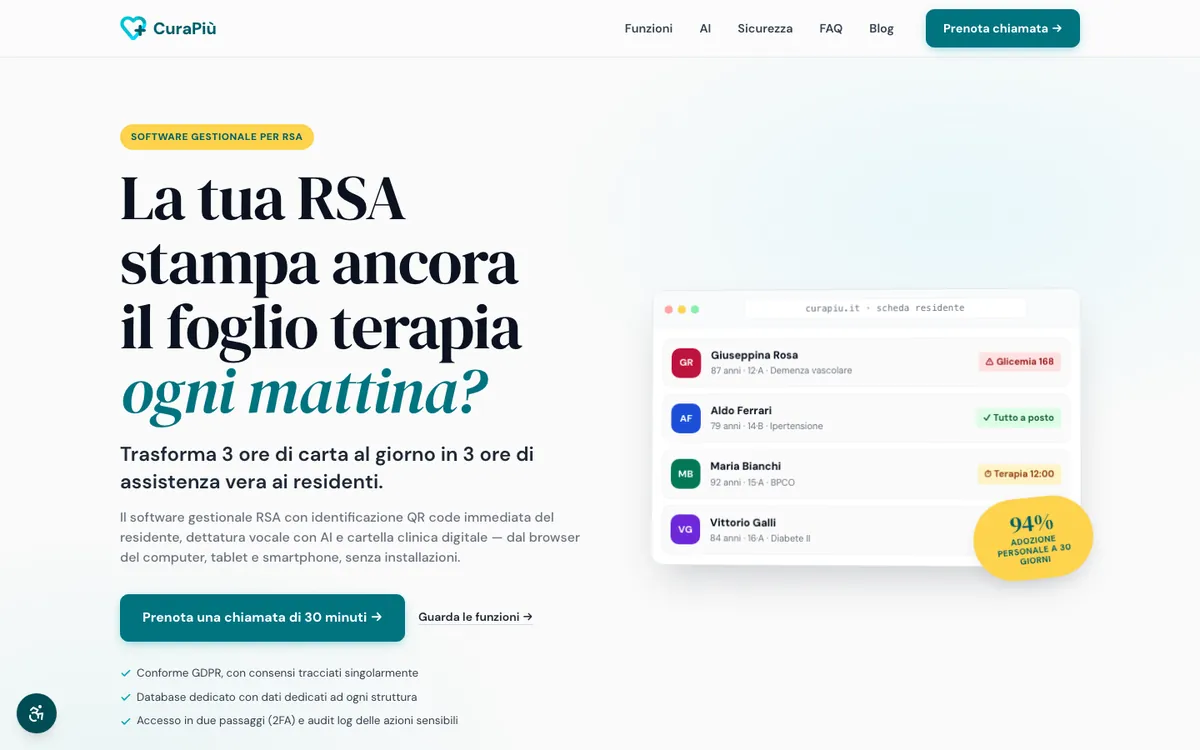
care-home-software · web app · ai · qr code
My management software for care homes: QR codes on residents, digital patient records and medication charts, care plans and AI voice dictation. Up and running in 7 days.
Read the case study →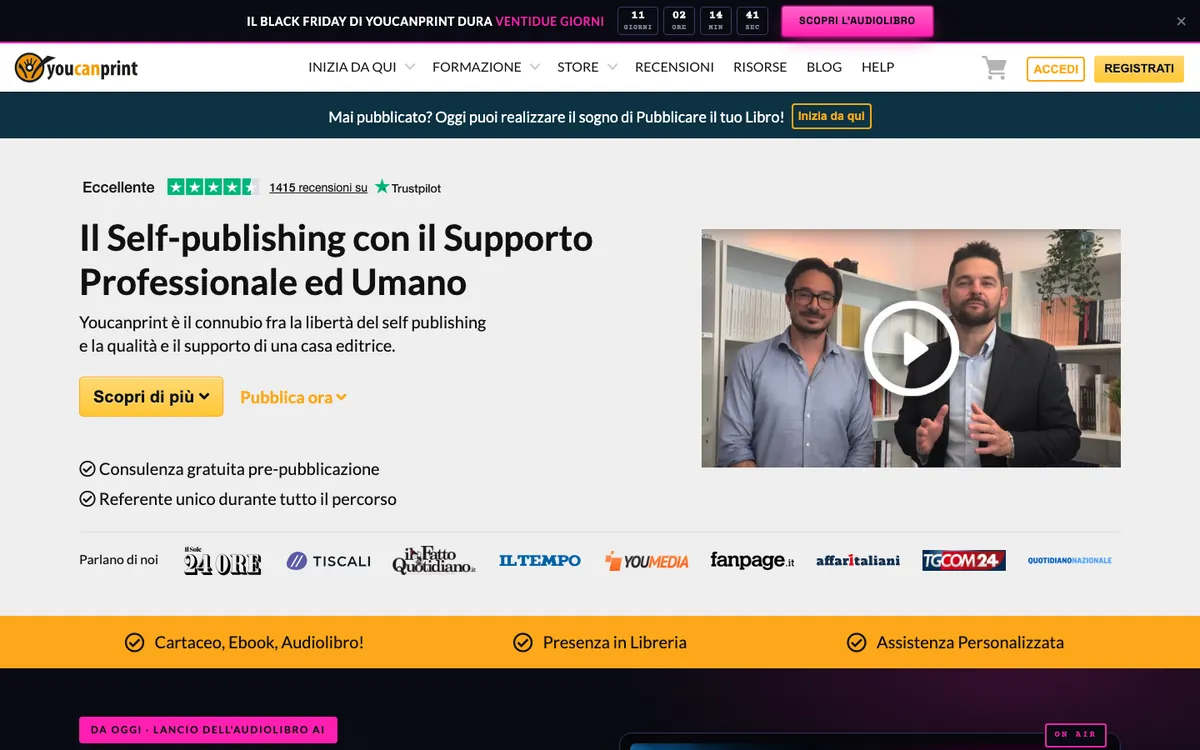
self-publishing · vue · laravel · mongodb
Senior frontend since 2018: search, product pages and on-site SEO of a portal with millions of page views.
Read the case study →ecommerce · php · codeigniter · mysql
From 2019 to 2021: custom ecommerce with order management connected to Amazon Seller Central and eBay.
Read the case study →// my secret
I rebuild websites and business apps with an AI workflow reviewed line by line: I know what models do well, where they get things wrong and what each call costs. I bring that same experience into your software: stable prompts, verified results, spending limits.
The difference between a demo and an integration that works is error handling. That's where the real work happens.
$ use-cases./processes1. orders from pdf (6 h/wk) · 2. customer emails (4 h/wk) · 3. product descriptions $ prototype--claude pdf-orders--sample 100✓ 96 correct · 4 to review · €0.02 per document $ integrate--php --api --human-review ✓ orders in the app in 30 seconds, cost dashboard $ measure--30-days ✓ 24 h/month saved · €38 of api $ go-live--redirect old-urls✓ live, week 6
// ready? start here
Tell me what isn't working. I'll tell you whether I can rebuild it, how and how long it takes. If I'm not the right person, I'll say so right away.
// useful answers
Reading orders, invoices and PDFs with automatic data entry; routing emails and drafting replies; classifying requests and tickets; writing product pages and descriptions; natural-language search across your documents. All with human review wherever a mistake would be costly. Each of these starts with a prototype on your real data.
Very little, if the use case is well defined: reading a document costs a few cents, a reply to a customer less than a cent. For a small business we're talking tens of euros a month, not hundreds. I set spending limits and a dashboard showing the cost of every operation.
No. With the paid OpenAI and Anthropic APIs, the data you send is not used to train the models, and processing in Europe is possible: with OpenAI for eligible organisations, with Claude through Amazon Bedrock in European regions. I send only the data that is needed, anonymise it where possible and keep the logs on your server.
It depends on the task: I test both on your real examples and choose based on quality, cost and speed. The code is written so the model can be swapped without rewriting the integration, because models improve every few months and you should be free to switch.
No, almost never. If your business app is in PHP or exposes a database or APIs, the integration is added alongside it. If the software is old and closed, see the page on software that has become a monolith: there too, it is done module by module.